
Will vs. Living Trust in California: Which Do You Need?
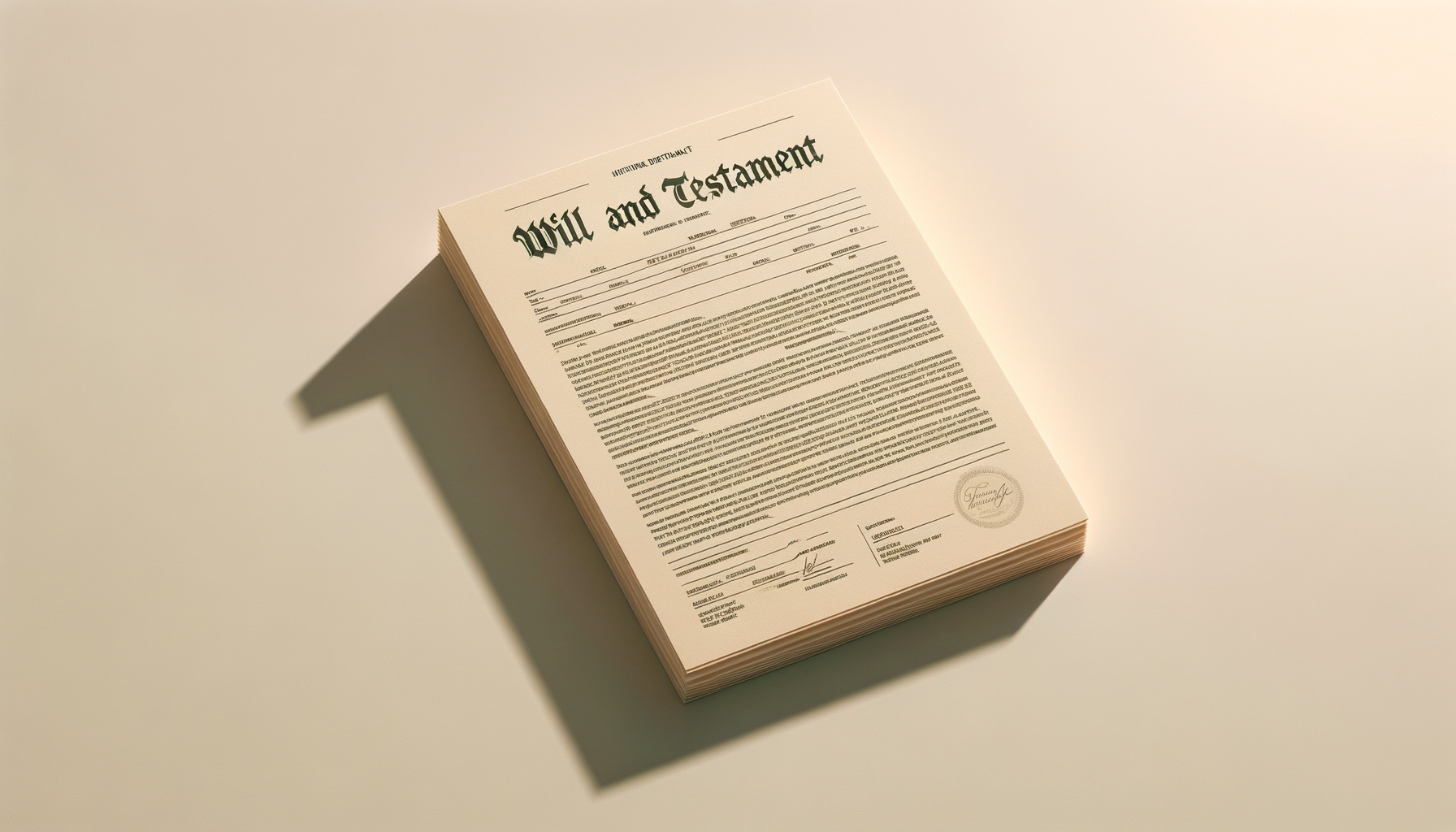
Short answer first: if you own a home in California, a living trust is almost always the one that does what you actually want, which is keep your family out of probate court. A will does not do that. A will still goes through probate. So for most homeowners here, the real question is not will or trust. It is whether a trust is set up and funded the right way.
What a will does
A will is your instructions to the court. It says who gets what, and who is in charge of carrying it out. If you have minor children, it is also where you name a guardian for them, and that matters a lot. More on that below.
But a will has one big limit. It does not avoid probate. In California, if you leave assets through a will, your family still has to open a probate case to move those assets to the people you named. The will just tells the court how to do it.
What a living trust does
A living trust holds your assets during your life and passes them to your people after you are gone, without the court. You stay in control the whole time. You can change it, move things in and out, or cancel it. Nothing changes about how you use your home or your accounts day to day.
The difference shows up after you pass. With a funded trust, your family follows the instructions you left and settles everything privately. No court case. No public filing. Usually a fraction of the time and cost.
The real difference is probate
This is the whole reason most people do a trust.
Probate is the court process for transferring what you owned after you die. In California it is slow, it is public, and the attorney’s fee is set by state statute on the gross value of your estate, not on your equity. A home worth a lot with a mortgage against it still gets charged on the full value. That is how a family that feels pretty ordinary ends up with a probate bill nobody saw coming.
A living trust, funded properly, skips all of it.
A trust only works if it is funded
Here is the part people miss. A trust does nothing until your assets are actually moved into it. That means retitling your home into the trust and lining up your accounts and beneficiary designations to match.
A trust with nothing in it is just paper. I have seen families go through full probate because a trust was signed years ago and never funded. When we build your plan, funding is part of the job, not an afterthought.
What about guardians for my kids?
You still need a will for that. Even with a trust, the person who raises your minor children is named in your will, not your trust. So a complete plan usually includes both: the trust to keep you out of court, and a short pour-over will that names guardians and catches anything that did not make it into the trust.
So which one do you need?
It depends on what you own and how it is titled. If you own a home in California, a trust is usually the answer. If your situation is simpler, a will plus some beneficiary designations might be enough. That is a real conversation, not a one-size answer, and some of those talks end with me telling you that you do not need much at all.
If you want to figure out which one fits your family, book a complimentary planning session or call (760) 332-8204. We will look at what you have and give you a straight recommendation, with flat-fee pricing up front.
